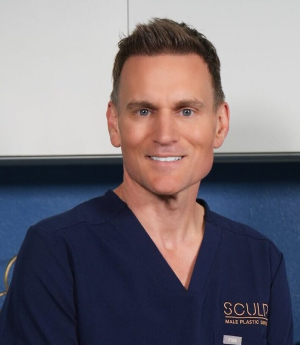

Rethinking the Aesthetic Industry: The Intersection of Medicine, Business, and Modern Patient Care
A Shifting Industry on the Rise
The aesthetic medicine industry is in the middle of a radical evolution. Once viewed as a luxury or vanity sector, it’s now emerging as a core component of personal wellness, longevity, and preventive health. With consumer demand surging across all age groups and genders, the U.S. market for cosmetic treatments—both surgical and non-invasive—is expected to exceed $26 billion by 2025. But behind the glossy marketing and influencer content, something much deeper is happening.
We’re witnessing a shift from “beauty procedures” to strategic, health-aligned aesthetic care. Patients aren’t just looking to look better; they want to feel better, perform better, and preserve their appearance and vitality longer. And that shift is reshaping who delivers care, how clinics are built, and what education future providers truly need to succeed. This article explores how today’s aesthetic ecosystem is transforming and why a deeper, more structured approach is no longer optional for aspiring professionals.
Plastic Surgery in Today’s Aesthetic Ecosystem
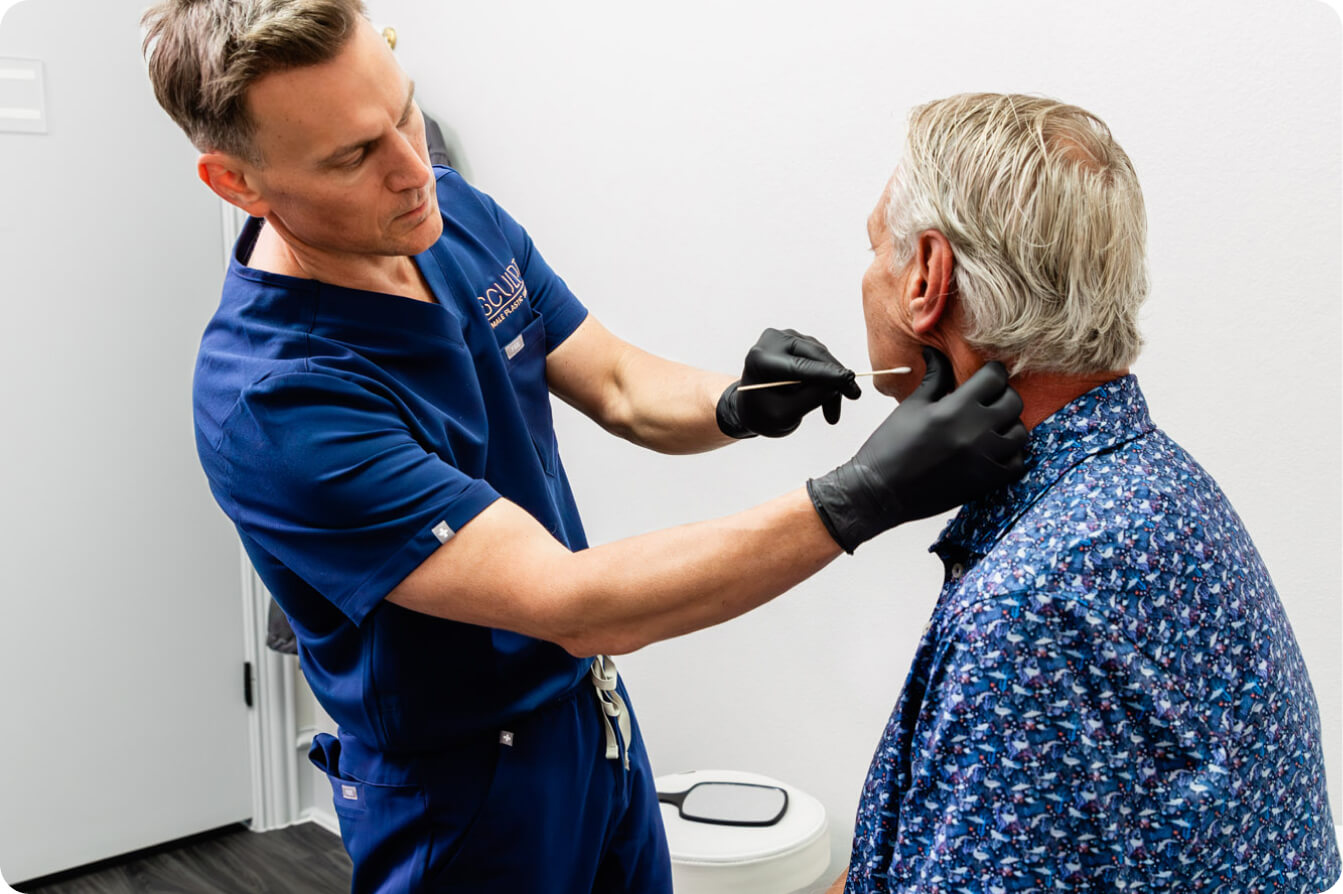
Despite the rapid rise of non-invasive procedures, surgical treatments continue to serve as the foundation of aesthetic medicine. Facelifts, body contouring, and blepharoplasty, among others, provide outcomes that lasers and injectables simply can’t replicate. That said, the most successful practices today are not siloed to a singular focus, they’re integrated.
The best results happen when surgeons collaborate with skilled injectors, estheticians, and wellness professionals in a hybrid model that puts the patient first. In this context, surgery becomes one pillar of a broader strategy that is supported by pre- and post-treatment protocols that enhance results, reduce downtime, and improve long-term satisfaction.
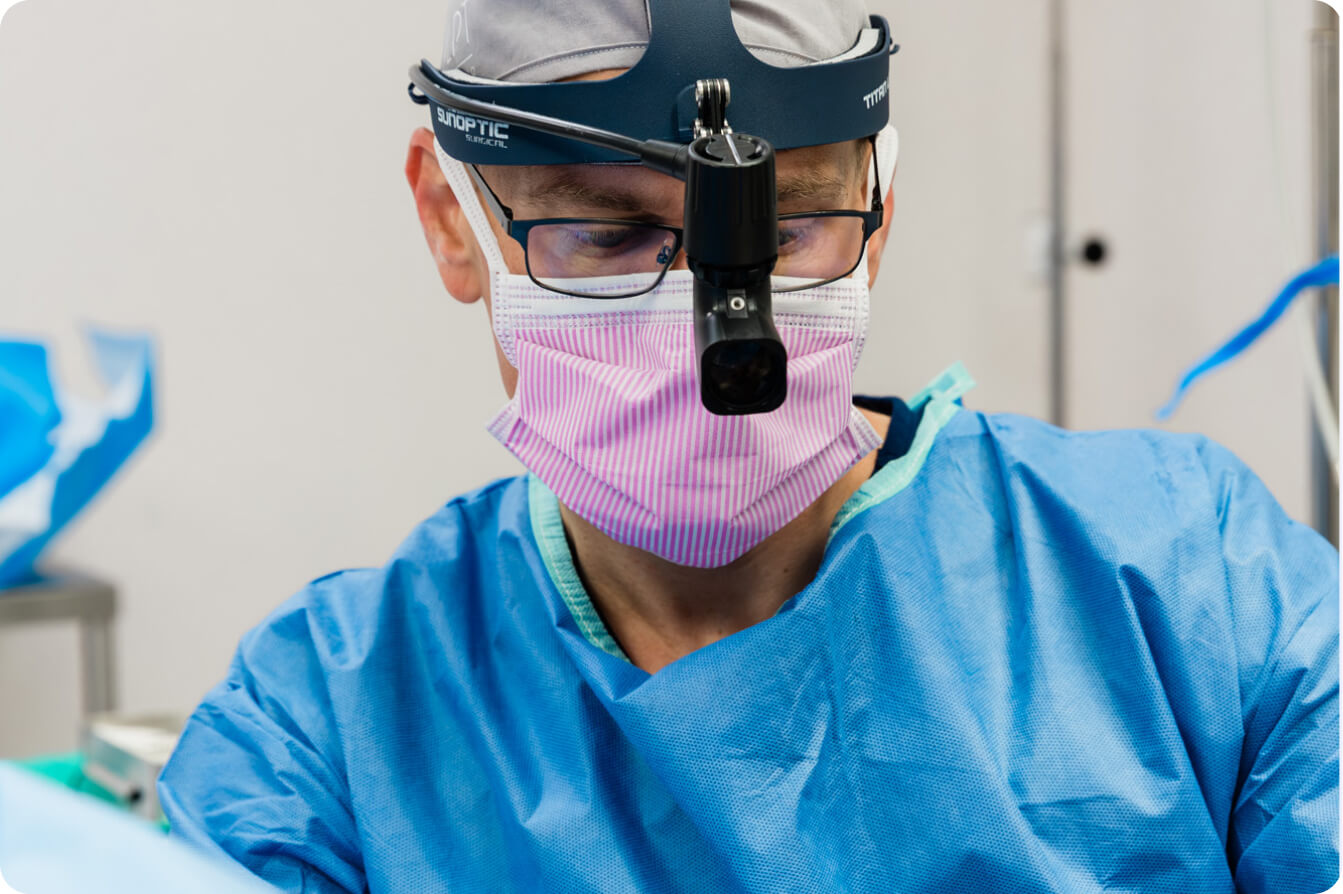
From a surgeon’s perspective, this collaborative model also safeguards clinical outcomes. Not all procedures are created equal. Some treatments may produce superficial results but fail to respect deeper anatomical structures or natural proportions. A seasoned surgeon can offer the perspective needed to distinguish between what “looks good” and what is actually clinically sound. That expertise is crucial as more patients blend surgery with less invasive care and wellness support.
Medspa as a Business: Challenges, Models, and Growth
There are multiple business models in the aesthetics world, each with their own trade-offs in expense, profit and work flexibility. The 3 most common models are:
Solo ownership (high risk, high reward- but often delayed as sacrifices are made to grow the business)
Room rental or subleasing (flexible but often lacks the stability, access to low-cost products, collaboration and on-going educational opportunities afforded to an established clinic)
Platform-based models (providing access to the benefits of a large practice – space, training, products, marketing, and compliance support – while maintaining work/scheduling flexibility)
Regardless of whichever model you ultimately choose, the biggest mistake I see aesthetic providers make is underestimating the operational complexity of running a practice. Many come in with an “inject and go” mentality where the majority of the focus is on performing a treatment. In my experience, this leads to a vicious cycle of chasing clients, product discounts, and spending big dollars to sign up for weekend workshops to learn the newest “injection secret”. I have personally witnessed very talented aesthetic providers work harder and harder only to take home less money because they have not taken the time to nurture the infrastructure or gain the insight to legally, safely, and sustainably grow their practice.
A successful aesthetic practice requires:
A clear brand identity
Legal and clinical oversight
Well-trained staff/provider (You, if the solo provider)
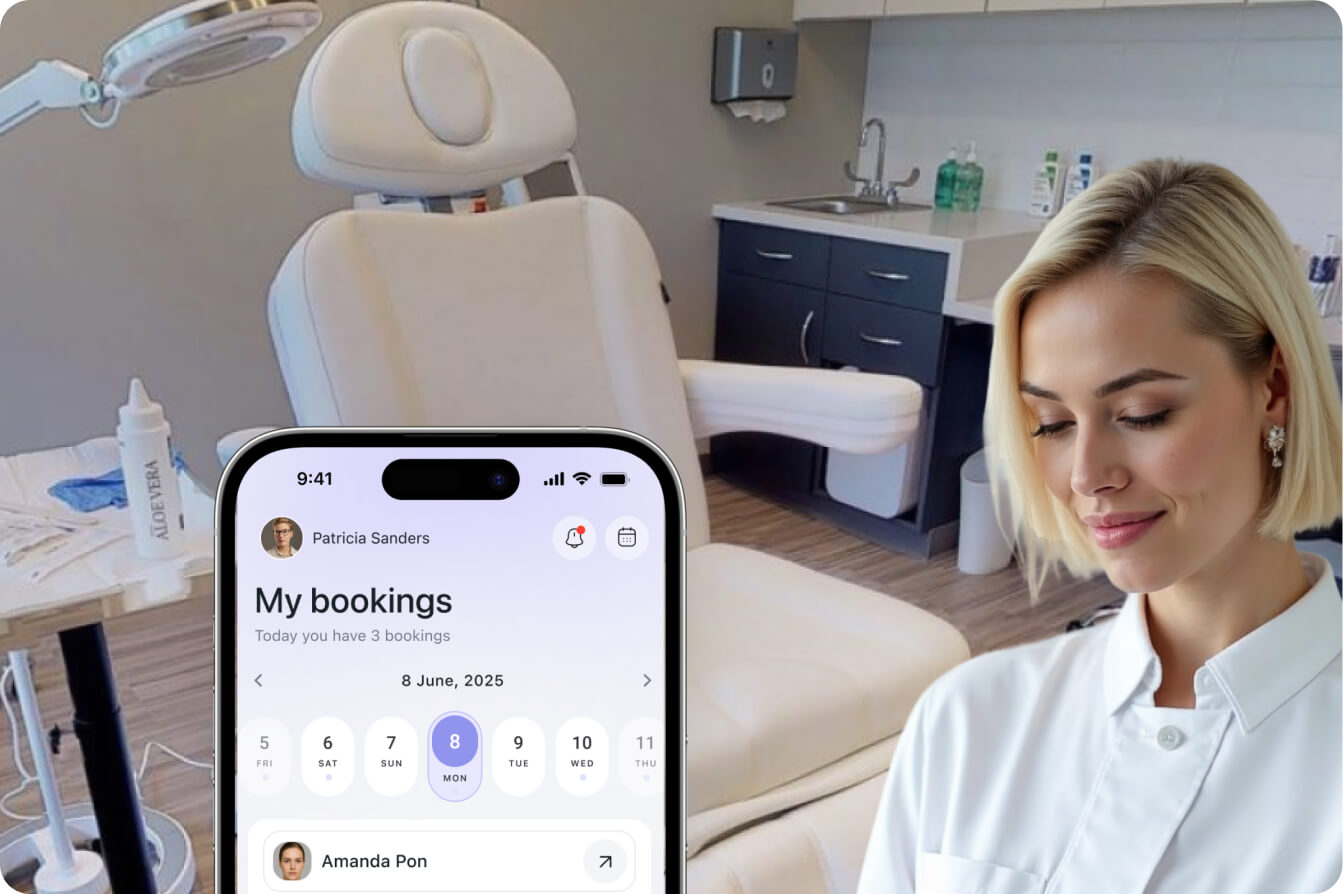
Medical-grade software for scheduling, documentation, and follow-ups
Systems for compliance, consent, and credentialing
And most importantly, a plan to grow the business and increase revenue.
In reality, the business of aesthetics is no longer confined to the rinse and repeat model of an injector manning a chair and performing injectables to a client every 3 to 6 months. We’re seeing the rise of diversified revenue models: memberships, subscriptions, skincare lines, retail products, and multi-service packages. While that opens more doors for providers, it also introduces more complexity.
As this complexity of practice grows, complete platform-based systems that support injectors and clinicians with needed infrastructure and lower the barriers to growth have become an extremely valuable resource. These platforms can be used by the solo provider striking out on their own or by the established medical-spa looking to streamline, modernize, and grow their practice. Integrating an aesthetic platform into your business allows the aesthetic provider to once again focus the majority of their time on what they truly love- serving their patients and providing exceptional results.
Training Aesthetic Providers: More Than Just a Course
To be clear, completing a weekend injector course doesn’t make you clinic-ready. In fact, depending on your license, you may not even be legally allowed to inject in your state.
The U.S. has a patchwork of licensing laws. Depending on the state, estheticians and MA’s can perform the full slate of aesthetic treatments (fillers, neurotoxins, LASER’s, skin treatments, etc.) under M.D. or D.O. supervision. In some states, RN’s, PA’s and/or NP’s may be the only non-physician practitioners allowed to inject with physician oversight. In others, only those with a medical license (M.D. or D.O) can administer neurotoxins or dermal fillers. Understanding what your license permits is step one and skipping this can lead to serious legal consequences. A quick check of your states website to review the laws governing aesthetic medicine will ensure you are in compliance from the start.
But even after meeting basic licensure requirements, the clinical learning has just begun. Safe, effective injectors understand anatomy, vascular risk zones, rheology of products, aseptic technique, and complication management.
To be the best, education and training should be:
Ongoing, not one-and-done
Mentored, not just taught
Hands-on, with real patients and real-time feedback
And that’s just the clinical side. To succeed in aesthetics, providers must also learn how to manage a business, communicate with patients, market their services, and build long-term retention. That requires more than one course—it requires mentorship, continuous education, and collaborative learning environments where growth is sustainable.
If you want to thrive in aesthetics, you need a path—not a crash course. Set yourself up for success from day 1. 1. Know the local laws governing aesthetic medicine in your state. 2. Invest in quality education programs that don’t just teach the “how” but the “why” and “when” of aesthetic procedures. 3. Build a business outline for what you want your practice to be. 4. Don’t waste time and energy reinventing the wheel. Look for programs or platforms that support and invest in your long-term business and educational growth.
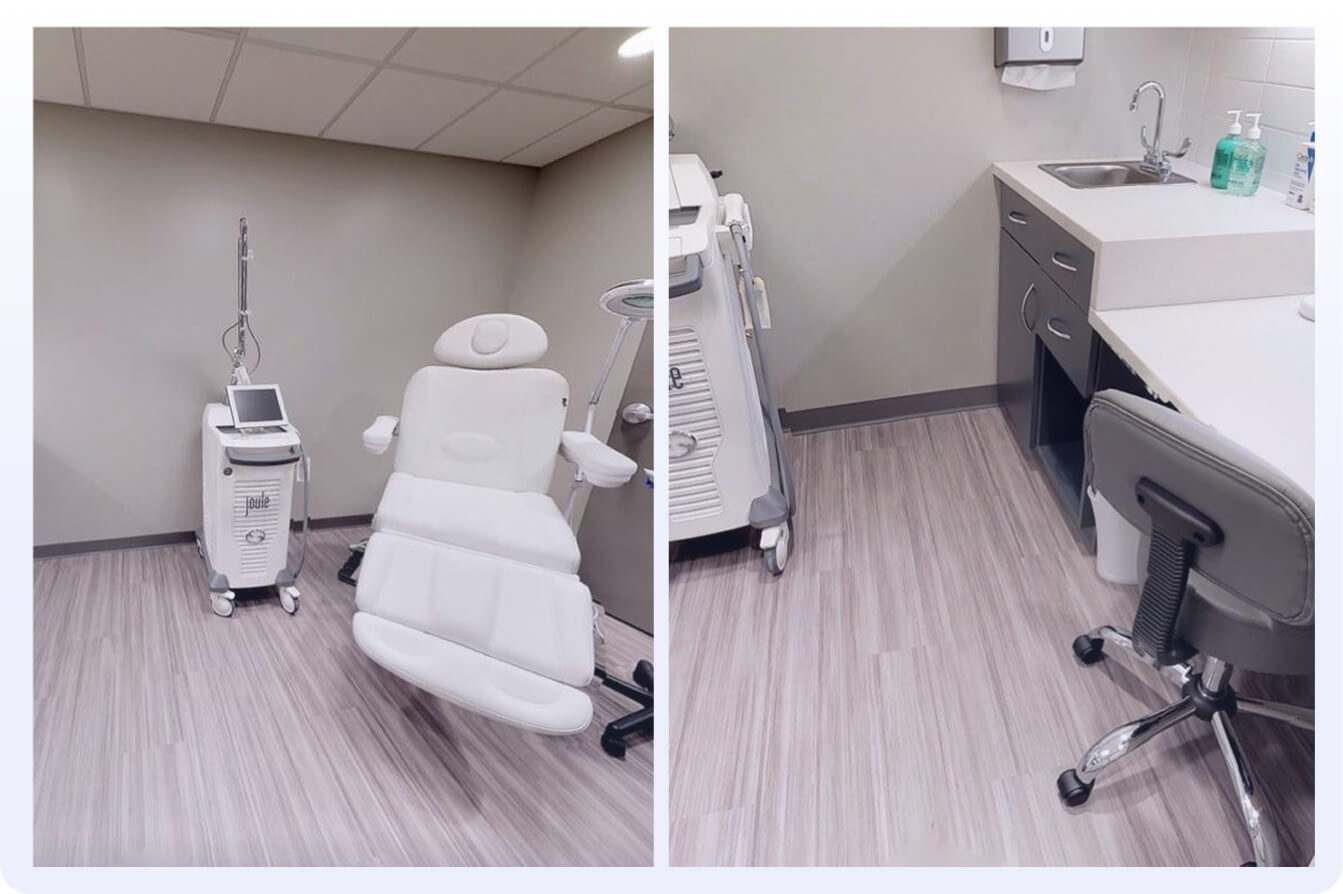
Technology and the Future of Aesthetics
AI and innovation are rapidly reshaping what aesthetic medicine looks like. Tools like 3D facial scanning, treatment simulations, and predictive aging models are becoming commonplace in clinics. These technologies make the experience more interactive and they help providers personalize plans with precision.
Equally important is the rise of preventive aesthetics. Patients in their 20’s and 30’s are opting for “prejuvenation”—preventing wrinkles and volume loss before they begin. There’s also growing demand for natural-looking, subtle outcomes that preserve identity and structure. The “overdone” look is out; biohacking, regenerative medicine, and wellness-based rejuvenation are in.
That’s why combining wellness and aesthetics is the next frontier. Clinics are merging IV therapy, hormone optimization, peptides, and advanced skin health into a single holistic experience. The emotional well being of patients is just as important as the aesthetic result, and technology is helping us address both.
Shifting Expectations and Evolving Standards
We’re no longer in an era where aesthetic success is defined by technical skill alone. Patients expect more: a seamless experience, reliable outcomes, and medically sound advice. The market is full of opportunity, but also full of risk for those who enter unprepared.
Providers can’t afford to “just inject.” They must understand branding, compliance, patient safety, and leadership. The modern aesthetic entrepreneur is equal parts clinician, educator, and operator. And they need systems that support all three roles.
New models – aesthetic platforms that integrate co-working clinics, low cost product, on-going education, medical record keeping, plus business and marketing infrastructure – are offering that support. Some platforms will even provide the necessary connection to ensure proper physician oversight and legal compliance within your state. For the right provider, a strong aesthetic platform can eliminate the barriers to entry while preserving independence and clinical excellence.
Conclusion: Time to Think Bigger
Aesthetic medicine has moved far beyond superficial change. It’s now a systems-driven field focused on delivering safe, repeatable, and lasting results both inside and out.
The future belongs to providers who take this seriously. That means seeking mentorship, building strong systems, and working within models that empower success. Whether you’re an MA, PA, NP, or non-aesthetic MD, don’t just dip your toe into this industry. Learn it. Lead in it. And partner with platforms that can help you do it the right way because Aesthetics is medicine, business, and artistry, all in one.