

Aesthetic Laser Devices and Technology: Training, Safety and Advancements for Today’s Providers
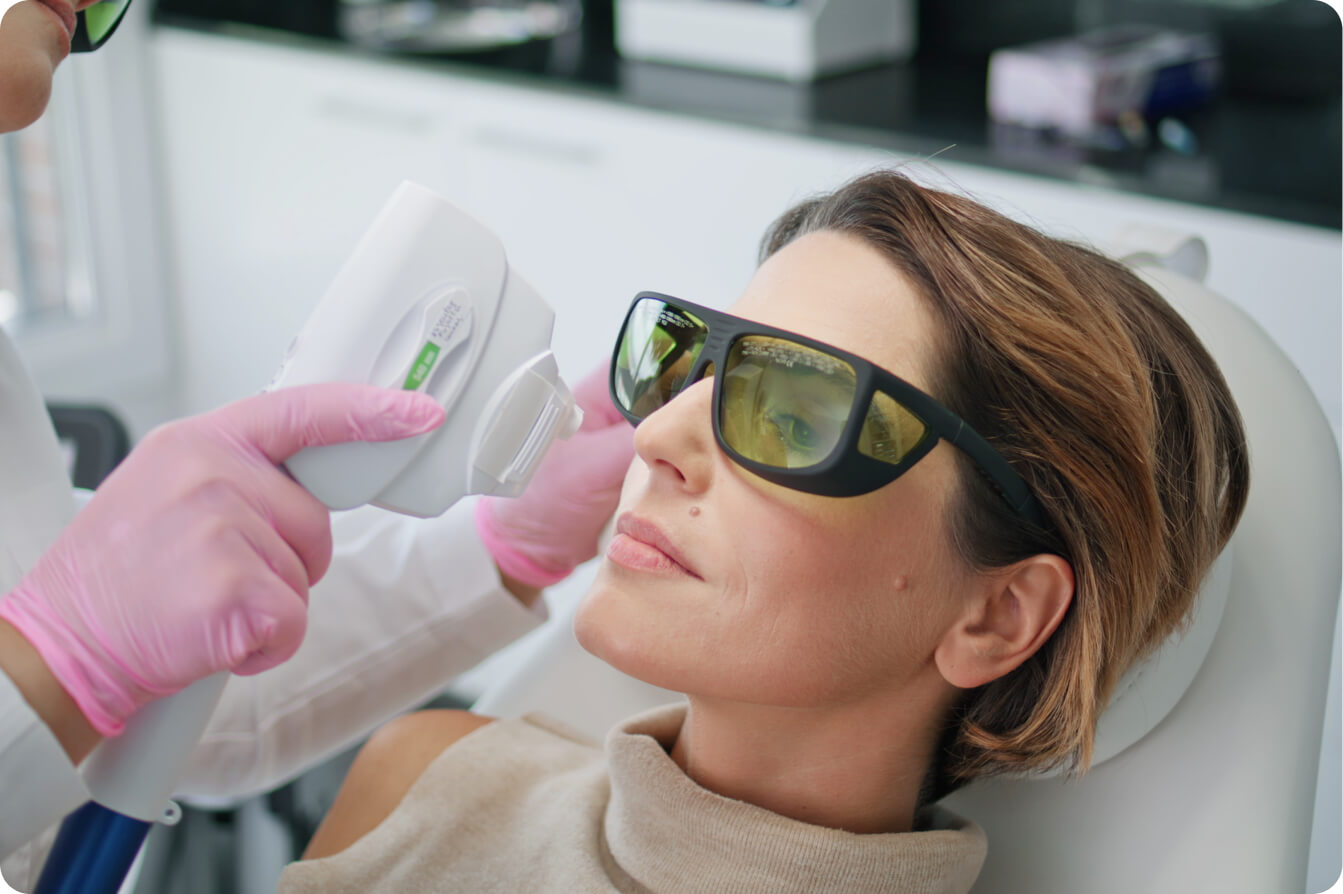
Why laser technology is growing in demand
The aesthetics industry is continuing to grow with increased demand for laser treatments and non-invasive procedures driven by patients’ interests for effective solutions with minimal downtime. Recent data from The Aesthetic Society’s National Databank Statistics reveals over 1,047,794 skin treatments using combination lasers were performed in 2022, representing a 26% increase from the year prior. Additionally, 453,046 other procedures for hair removal, tattoo removal, and sclerotherapy were also performed.
This growth comes with both opportunity and responsibility for a wide range of professionals from physicians to clinic owners and operators to independent providers such as aestheticians, injectors, and nurses. Physicians, particularly recent plastic surgery and dermatology resident graduates who are looking to launch their own practice, must master laser fundamentals and mechanisms to deliver safe, effective care and to also mentor future operators. Clinic owners and med spa operators also need insight into technology trends to help make equipment investments that align with business goals and patient desires. Furthermore, independent providers can also benefit from staying up to date with the latest innovations to keep their skills marketable and attract clients to grow their personal brand.
The goal of this article is to help readers understand modern laser technologies, make informed equipment choices, and recognize the importance of proper training. This guidance comes from John E. Hoopman, CMLSO, the current laser safety officer (LSO) at UT Southwestern Medical Center Department of Plastic Surgery and nationally recognized leader in laser safety and patient advocacy with over 25 years of hands-on, clinical experience. He has a 11-year tenure as the past vice chair of the American National Standard for Safe Use of Lasers (ANSI) Z136.3 laser safety committee, traveling professor for the American Society of Aesthetic Plastic Surgeons (ASAPS), and guiding member of the American Society for Laser and Medicine and Surgery (ASLMS) and Laser Institute of America (LIA). He has also co-authored 62 publications with over 1,009 citations. His clinical expertise, research contributions, and passionate commitment to safety standards make him a trusted voice in this field.
Why laser technology matters today
Recent advances in aesthetic laser technology have made these devices one of the most essential tools in modern cosmetic medicine. Unlike traditional modalities, medical and aesthetic lasers now offer greater wavelength precision, more predictable tissue interactions, and expanded safety profiles across a wider range of Fitzpatrick skin phototypes. This makes aesthetic laser devices foundational for practices offering hair removal, vascular treatments, pigmentation correction, and fractional resurfacing — and positions them as some of the highest-demand equipment investments for med spas and aesthetic clinics.
How aesthetic lasers work
A core principle of laser technology is selective photothermolysis, which is a process that uses light energy to precisely target specific chromophores (light-absorbing molecules) in the skin (i.e. melanin, hemoglobin, water) using controlled laser parameters This allows for controlled microinjury to targeted structures without damaging surrounding tissue. LASER, an acronym for Light Amplification by Stimulated Emission of Radiation, describes how these devices work. Each laser system consists of three main components: an energy source that pumps light; a gain medium that determines laser emission properties and emits light of a specific wavelength when excited; a resonator that amplifies this light.
Depending on their design, aesthetic laser devices may use gas (CO2), liquid (dye), or solid-state materials (Nd:YAG, Er:YAG) often enhanced with rare earth elements. These lasers with different wavelengths allow them to be used for varying purposes. For example, diode, alexandrite, and Nd:YAG lasers are often used for hair removal and the treatment of vascular lesions, while CO2 and Er:YAG lasers are favored for skin resurfacing and rejuvenation.
Additionally, laser devices can also be classified by their mode of operation (pulsed, continuous wave). Pulsed lasers operating in the nanosecond (Q-switched) and picosecond range are often used in the treatment of pigmented lesions and for tattoo removal.
Common types of aesthetic laser devices
Because each wavelength selectively targets a specific chromophore, every aesthetic laser platform has distinct clinical strengths. Below are commonly used laser categories and their primary indications:
Alexandrite (755 nm): Pigmented lesions, hair removal (lighter skin).
Nd:YAG (1064 nm): Vascular lesions, deeper penetration, safe for Fitzpatrick IV–VI.
Diode: High-efficiency hair removal; widely used in med spa settings.
CO₂: Ablative resurfacing, scars, advanced rejuvenation.
Er:YAG: Superficial resurfacing, texture irregularities.
Picosecond: Tattoo removal, pigmentation, fractional rejuvenation.
This wide breadth of indications for laser therapy makes it one of the most versatile tools in aesthetic medicine compared to other treatment modalities.
Technology trends in aesthetics (2025–2026)
The aesthetics industry is continuing to evolve with technological advancements and innovation, thus understanding these emerging trends is critical for providers who want to stay competitive. One such rise is the use of fractional and hybrid laser systems. Fractional lasers deliver targeted energy in microscopic columns, creating controlled zones of thermal damage in the skin to stimulate collagen production while leaving surrounding tissue intact. This pixelated pattern not only accelerates healing but also minimizes trauma and the risk of complications. Hybrid systems, combining both ablative and non-ablative technologies in a single session, offer comprehensive skin rejuvenation with fewer recover periods, allowing for more customizable treatment options. Not only can two laser types be combined, but multiple treatment modalities can also be paired such as lasers and radiofrequency (RF), high-intensity focused ultrasound (HIFU), microneedling, and injectables to deliver synergistic results that surpass what any single aesthetic laser technology can achieve.
Artificial intelligence (AI) is also transforming the way treatments are being planned and delivered. Traditionally, laser operators must manually adjust parameters based on their own personal experience, manufacturer guidelines, and patient feedback. Today, AI-powered skin mapping systems offer the capability to analyze skin type/texture and, furthermore, automatically recommend optimized device settings based on treatment history, reducing the guesswork and enhancing precision. These advanced platforms also have the potential to suggest real-time adjustments during treatment to prevent overheating or excessive tissue trauma, promoting both safety and treatment efficacy.
Finally, the concept of “prejuvenation” has gained traction, popularized by social media and embraced by the younger generation. This focuses on routine skin care and non-invasive cosmetic treatments to maintain youthful skin and delay visible signs of aging such as wrinkles and skin laxity. These trends all point to the message that patients want effective, personalized solutions with low downtime, and technology is adapting to meet this growing demand.
Latest advancements in aesthetic laser technology
Several innovative developments are shaping the next generation of aesthetic laser devices:
Hybrid fractional systems (ablative + non-ablative).
Picosecond-fractional platforms producing controlled LIOBs.
AI-assisted parameter selection and real-time skin analysis.
Temperature-regulated energy delivery to prevent overheating.
Multi-modality towers combining lasers, IPL, RF microneedling, and ultrasound.
Choosing equipment: rent or buy?
Delivering exceptional care starts with having access to top-tier, quality aesthetic laser devices. These systems are not only the backbone of advanced treatments but also a significant investment – one that requires careful consideration and assessment of your practice’s needs, patient demand, and long-term goals. The decision to rent or buy is rarely straightforward, as each option carries distinct advantages and limitations (Table 2).
| Option | Pros | Cons |
| Renting | ($) Lower initial cost
Flexibility to scale up or down Access to latest aesthetic laser technology (can trial before committing) Maintenance and service often included Ideal for newer practices as gauging patient demand and seasonal fluctuations |
Higher cumulative cost over time
Limited customization options Limited availability dependent on rental terms |
| Buying | Long-term cost savings
Full control and customization based on practice needs Better for established clinics with already identified needs |
($$$) Large upfront investment
Responsible for maintenance and repairs Higher financial risk if demand fluctuates or technology becomes obsolete as it evolves |
Table 2. Pros and cons to consider before choosing to rent or buy laser systems.
Key criteria for selecting laser equipment for Med Spas
When evaluating aesthetic laser devices, med spa owners should consider:
Wavelength versatility
Spot size options
Cooling technology
Safety on darker skin types
Consumables & maintenance costs
Training requirements
How providers get certified / Accredited in laser safety and advanced laser use
Aesthetic laser technologies offer remarkable clinical benefits, but they also carry inherit risks. Improper use can lead to serious complications, including ocular and skin injuries, and even pose fire hazards if safety protocols are ignored. Beyond provider and patient safety, proper education also ensures legal compliance, builds patient trust, and protects your professional reputation, all of which are critical in today’s competitive aesthetic market.
To address these risks associated with laser systems, the American National Standard for Safe Use of Lasers in Health Care (ANSI Z136.3) emphasizes the importance of laser and laser safety education and should strongly be considered in your plan. A simplified guideline is also available for ASLMS members to serve as a quick reference but is NOT meant to replace the full standard which offers an in-depth discussion and complete clarification.
Training programs for aesthetic laser providers include online courses (covering laser physics, protocols, and safety standards) and in-person programs (offering hands-on device training and case studies). The most effective approach, however, is blended learning combining theory with practical application. Core education topics should include laser physics and safety fundamentals, working with different Fitzpatrick skin phototypes, parameter selection, patient protocols, and complication management.
The LSO is crucial to the laser safety program and should be appointed regardless of facility size. These individuals can receive certification (CMLSO, Certified Medical Laser Safety Officer) after passing a written exam based on the ANSI Z136 Series of Laser Safety Standards. Furthermore, providers can receive accreditation to elevate credibility and demonstrate commitment to safety and best practices. These accreditations also provide a competitive edge, signaling to patients and peers that your practice prioritize safety and excellence.
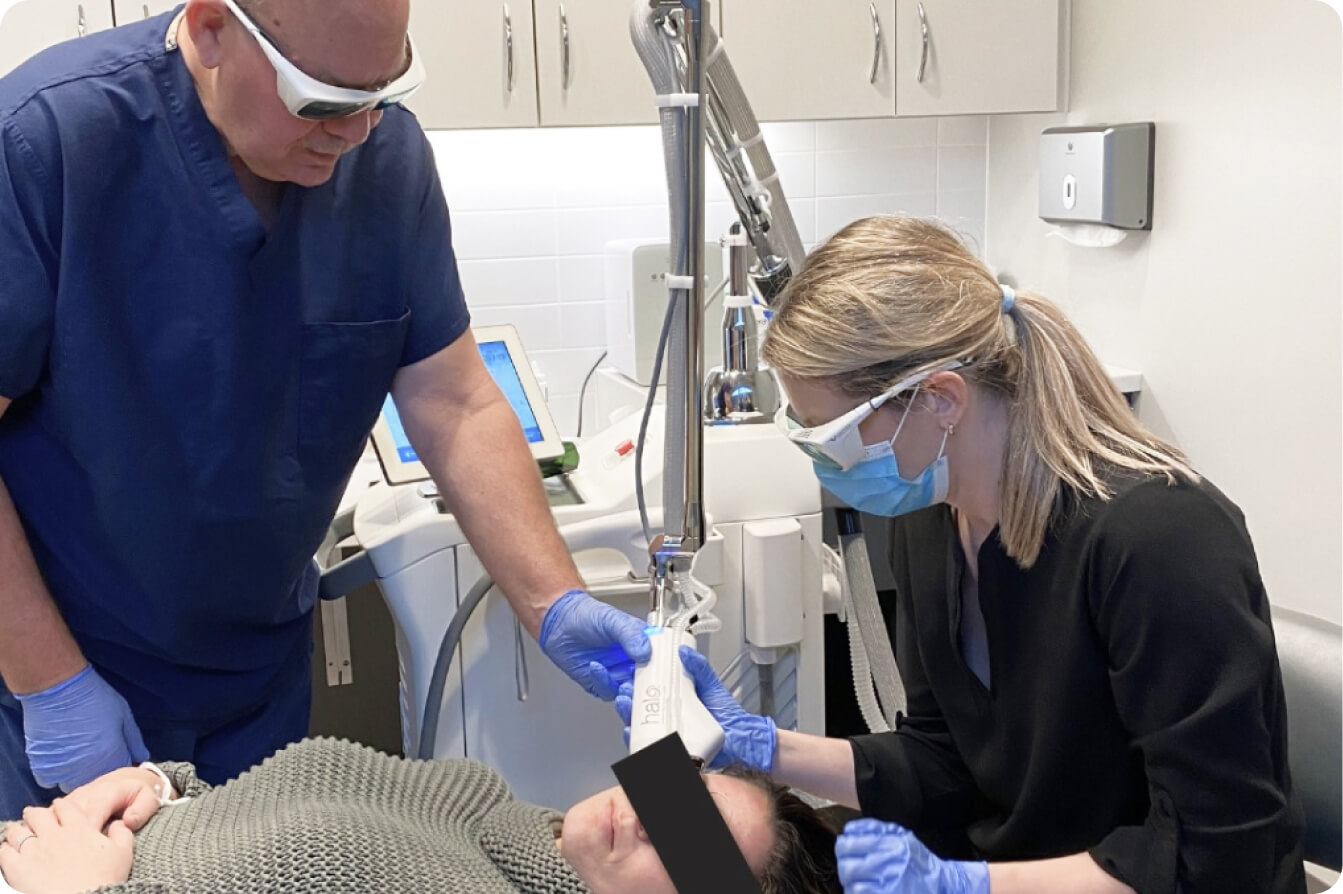
Pathway to becoming a certified / Accreditation cosmetic laser technician
A structured training pathway typically includes:
Foundational theory
ANSI-aligned laser safety education
Hands-on supervised practice
Competency assessment
CMLSO certification + continuing education
How clinics and space owners can leverage these trends
Aesthetic practices with additional space not being utilized have a unique opportunity to make them available on a per hour, day or weekly basis to generate additional previously untapped revenue. This can be moderately to highly lucrative for the business.
Investing in continuing education for the providers always pays high dividends to help increase treatment efficacy, help mitigate legal risks, and grow a better understanding of new and innovative technologies coming to bear in an ever-changing marketplace. Hosting workshops not only for staff but also clients / customers sharpen the awareness of available treatments. This will set you apart from many other practices in the community, setting you up as the tech-forward facility that has developed a reputation for safety while achieving best results.
How laser equipment drives revenue growth
Laser-based services consistently rank among the highest-revenue procedures in aesthetic practices. Because these treatments are technology-driven rather than provider-dependent, utilization of modern platforms ensures predictable revenue and allows clinic owners to expand service offerings without major staffing increases.
Key takeaways for providers and clinic owners
The aesthetic market is continually and rapidly evolving, driven by technological innovation and shifting patient demands. Success in this dynamic environment depends on three critical pillars: up-to-date equipment, professional training, and a commitment to transparency, safety, and trust. Looking ahead, the future of aesthetics will be defined by personalized treatments, AI integration, and hybrid models that combine multiple modalities for optimal results and minimal downtime. Staying ahead means more than keeping pace – it requires proactive investment in accredited education and training programs, informed equipment selection, and readiness to adapt as new aesthetic laser technologies emerge.
HELPFUL RESOURCES
1. Wamsley CE, Hoopman J, Kenkel JM. Safety Guidelines Concerning the Use of Protective Eyewear and Gauze During Laser Procedures. Aesthet Surg J. 2021;41(10):1179-1185. doi:10.1093/asj/sjaa233
2. Kim C, Barillas J, Dubbs A, Kenkel JM, Hoopman J. Simplified Guidelines for the American National Standard for Safe Use of Lasers in Health Care. ASLMS Member Resources. Accessed November 13, 2025. https://www.aslms.org/member-services/member-resources
3. JOHN’S FOUNDATIONS OF LASER & LIGHT COURSE
4. Farkas JP, Hoopman JE, Kenkel JM. Five parameters you must understand to master control of your laser/light-based devices. Aesthet Surg J. 2013;33(7):1059-1064. doi:10.1177/1090820X13501174
5. Wamsley CE, Hoopman J, Kenkel JM. The Role of the Laser Safety Officer and Laser Safety Programs in Clinical Practice. Aesthet Surg J. 2021;41(11):NP1550-NP1554. doi:10.1093/asj/sjaa239