

7 Powerful Insights on Plastic Surgery and Medspa Success in Modern Aesthetic Medicine
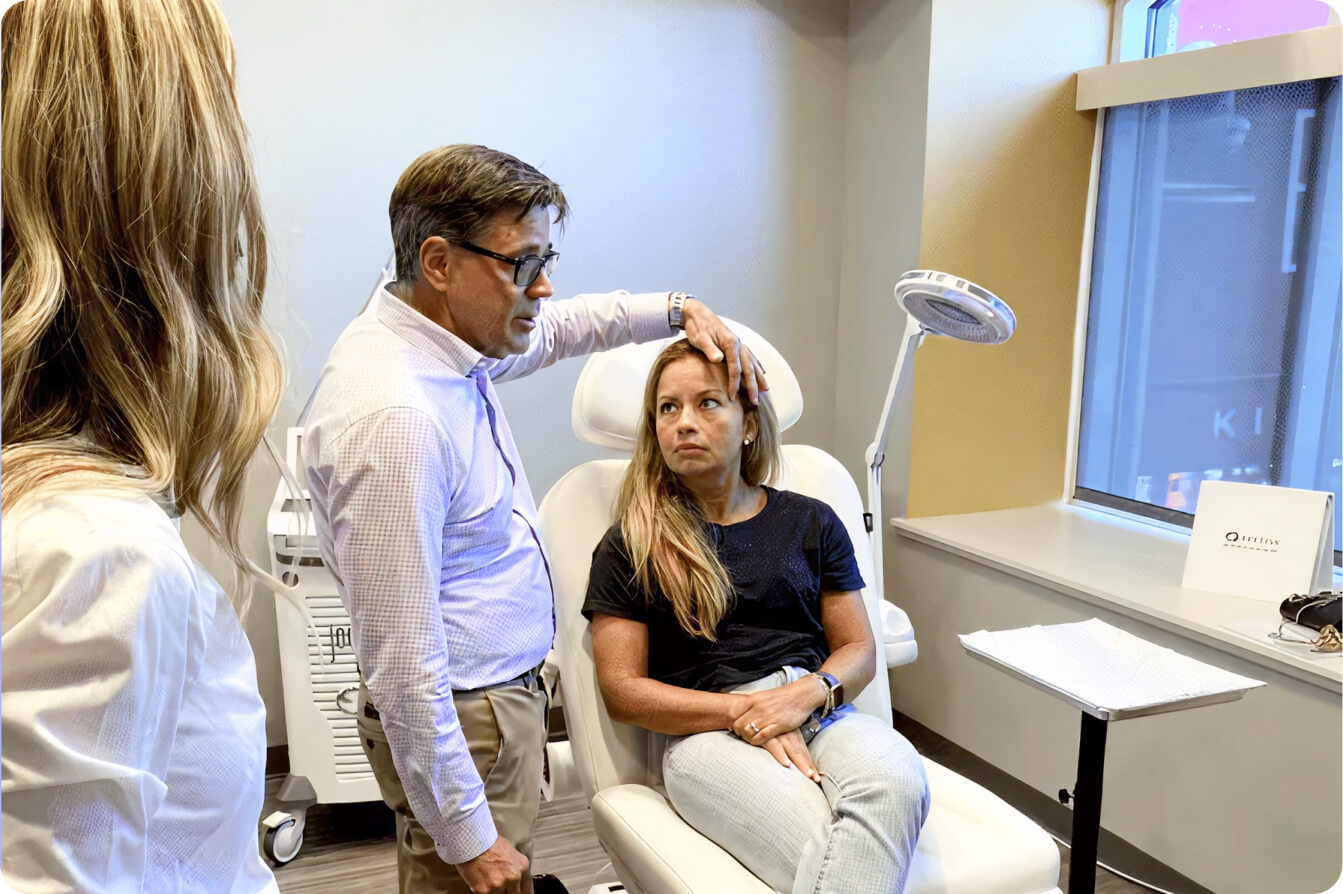
Aesthetic medicine is expanding at record speed, reshaped by patient expectations, new technology, and the growing overlap between plastic surgery and medspa services. Today’s providers are no longer defined only by their clinical skill; they must also master cosmetic clinic management, ethical decision-making, and a brand experience that keeps patients returning.
Why Plastic Surgeons Are Redefining the Medspa Landscape
The booming demand for aesthetic medicine has opened new opportunities for clinicians, entrepreneurs, and wellness providers. Yet running a medspa isn’t simply about offering injectables or adding laser treatments. It requires a strategic foundation—one where medical oversight, business systems, and training function in harmony.
I have seen multiple instances of patients being treated in med spas without the capability of a plastic surgeon, or willingness to refer to a plastic surgeon, who are overtreated with facial fillers in a futile attempt to treat the aging process. The result is an unnatural appearance which is bad for patients, and the industry as a whole. Fillers have an important role is aesthetics, but surgery does as well. And I almost always use fat as a filler at the time I am perfromig a facelift.
The Essential Role of Plastic Surgery in Modern Aesthetic Medicine
While non-invasive treatments dominate social media, surgery still provides the most definitive and predictable results. Lifting procedures, volume correction, and structural improvements often require more than injectables or energy devices.
Younger patients with good soft tissue elasticity and only minimal volume loss benefit greatly from filler. However, as the aging process continues, surgical rejuvenation is often required for an optimal result. Non-invasive procedures and surgery can only be complementary, if the provider has access to a qualified plastic surgeon.
Plastic surgeons bring irreplaceable advantages:
Deep knowledge of facial and body anatomy
Ability to balance subtle enhancement with long-term outcomes
Leadership in treatment planning across modalities
Authority in evaluating emerging technologies
Their expertise strengthens both clinical decision-making and the overall brand positioning of the medspa.
How Plastic Surgeons Manage Medspas as Medical Directors
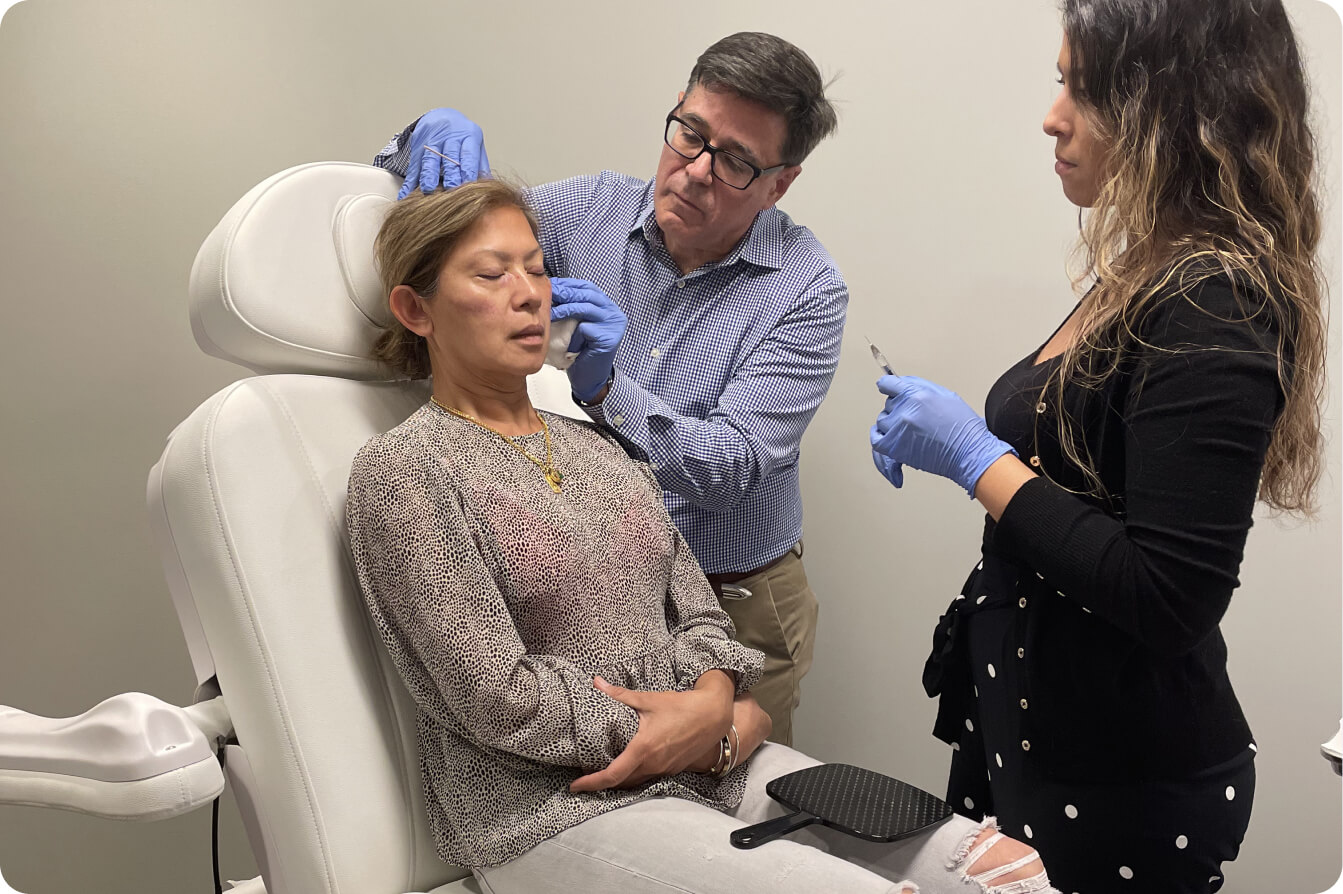
One of today’s most searched long-tail topics—how plastic surgeons manage medspas—has a clear answer: through structured oversight and system-level leadership.
A plastic surgeon acting as medical director shapes:
Clinical protocols for injectables, lasers, and RF
Safety standards and adverse-event pathways
Patient assessment frameworks
Equipment selection and treatment menu design
Staff training pathways and mentorship
As a surgeon I not only know the value of lifelong learning, it is a requirement of the American Board of Plastic Surgery. So I insist that everyone working in the med spa be a life loong learner and stay current with latest research and innovations. Patients obviously benefit, but the practioners do so as well; everyone enjoys their job more as they get more expert in their field.
Cosmetic Clinic Management: Business Models That Actually Work

Starting a medspa as a plastic surgeon can follow several models:
Full ownership — surgeon builds and operates the entire business.
Hybrid partnerships — shared brand or shared revenue structures.
Space-sharing or room rental — low-overhead model where providers operate within turnkey facilities.
Realistic challenges include:
Compliance and licensing gaps
Underestimating marketing requirements
Over-investing in equipment
Staffing and retention issues
Weak branding or unclear patient journey
This is why flexible, scalable solutions have flourished. Platforms like CloudMedspas offer:
Medical-grade treatment rooms without long-term leases
Access to shared equipment
Support with compliance and oversight requirements
Ability to test or expand a practice with minimal upfront cost
The CloudMedSpa platform allows the surgeon to maximally leverage her/his time and expertise by focusing on patient care while relying on CMS for back office efficiencies. Patients, practioners, and surgeons all benefit when everyone’s time is spent focused on patient care.
Medspa Training: Why Education Defines the Quality of Care
Clinicians can only operate safely when state regulations, scopes of practice, and equipment-specific competencies are clearly understood. Training is not a checkbox — it’s the culture of a responsible medspa.
Strong training programs include:
Injector mentorship
Laser safety certification
RF-based device competency
Complication management protocols
Continuing education pathways
Patients benefit most from a med spa full of life long learners with a spirit of comoradare and collaborations. Patient benefit leads to patient satisfaction which is the primary driver of long term growth of successful med spas.
Patient Trends: Personalization, Technology, and Subtle Aesthetic Enhancement

Modern patients look for natural, longevity-focused results. Their priorities include:
Minimal downtime
Blended treatment plans
Preventive aging strategies
Ethical guidance and transparency
Emerging tech supports these expectations:
AI-driven skin analysis
3D imaging for surgical planning
Devices with automated safety settings
Overtreatment is often avoided by recognizing when patients need to add surgery to their rejuvenation pathway rather than doubling down on filler and other not invasive treatments.
The Future of Plastic Surgeon-Led Medspas
Aesthetic medicine is shifting toward integrated ecosystems—spaces where surgical, non-surgical, and wellness services coexist in a seamless patient experience. Surgeons are uniquely positioned to lead this evolution.
To thrive in the next decade, clinics must:
Blend surgical and non-invasive options
Maintain strict medical oversight
Build scalable business systems
Prioritize continuous training
Offer flexible care models supported by modern platforms
Those who combine ethics, innovation, and surgical leadership will define the next era of patient-centered aesthetic care.
I believe the most successful med spas will be the ones who prioritize patient care and practiitioner expertise. The best way to do this is to off load back office tasks such as EMR, scheduling, procurement, payment, and compliance, to a turn key platform such as CMS.
Frequently Asked Questions
1. Why do the most successful medspas involve plastic surgeons?
Because surgeons bring deep anatomical knowledge, safety oversight, and the ability to guide patients across both non-invasive and surgical options.
2. What’s the best business model for starting a medspa as a plastic surgeon?
Many surgeons succeed with hybrid or flexible rental models, which reduce overhead and accelerate growth.
3. How important is medspa training for injectors and laser providers?
Essential. Training ensures safety, consistency, and regulatory compliance, directly affecting the clinic’s reputation.
4. What’s the difference between non-invasive and surgical aesthetics?
Non-invasive options improve skin quality and contour but cannot replace surgical correction when tissue repositioning or removal is required.
5. How does a plastic surgeon function as a medical director?
By providing oversight of protocols, training, equipment choices, and patient safety systems.
6. Are AI and digital tools truly useful in aesthetic medicine?
Yes — when used ethically. They enhance assessment accuracy and help patients visualize results, supporting informed decision-making.
What Today’s Providers Must Embrace to Succeed
Aesthetic medicine is no longer a collection of standalone treatments. It is a comprehensive discipline where artistry meets science, and where plastic surgery and medspa services converge to deliver individualized, ethically grounded outcomes. Plastic surgeons elevate these practices through leadership, training, and a deep understanding of the full aesthetic spectrum.
For providers, the winning formula is clear: build systems, nurture education, embrace innovation, and create environments where patients feel seen, supported, and safe.
